Too Cool For School
Too Cool For School Egg Remedy Hair Oil — Evidence-Based Review
Too Cool For School Egg Remedy Hair Oil — Evidence-Based Review
Quick decision
Check current price and availability
Affiliate disclosure: As an Amazon Associate, DSULABs earns from qualifying purchases at no extra cost to you. The scientific assessment is based on the formula, available evidence, tolerability, packaging, and value—not commission rate.
View on Amazon →Affiliate disclosure: As an Amazon Associate, DSULABs earns from qualifying purchases. If you buy through a link below, we may earn a commission at no additional cost to you. Our assessment is based on the published formula, cosmetic-science evidence, and suitability—not commission rate.
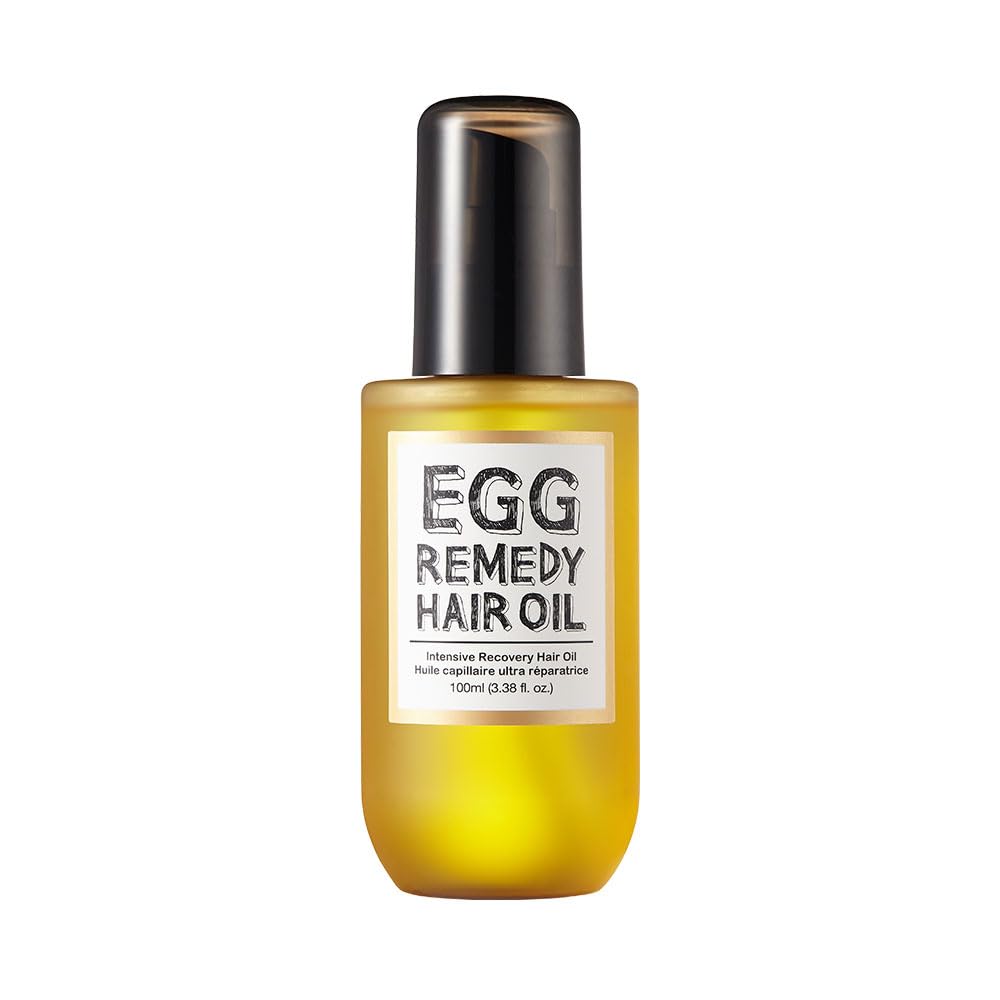
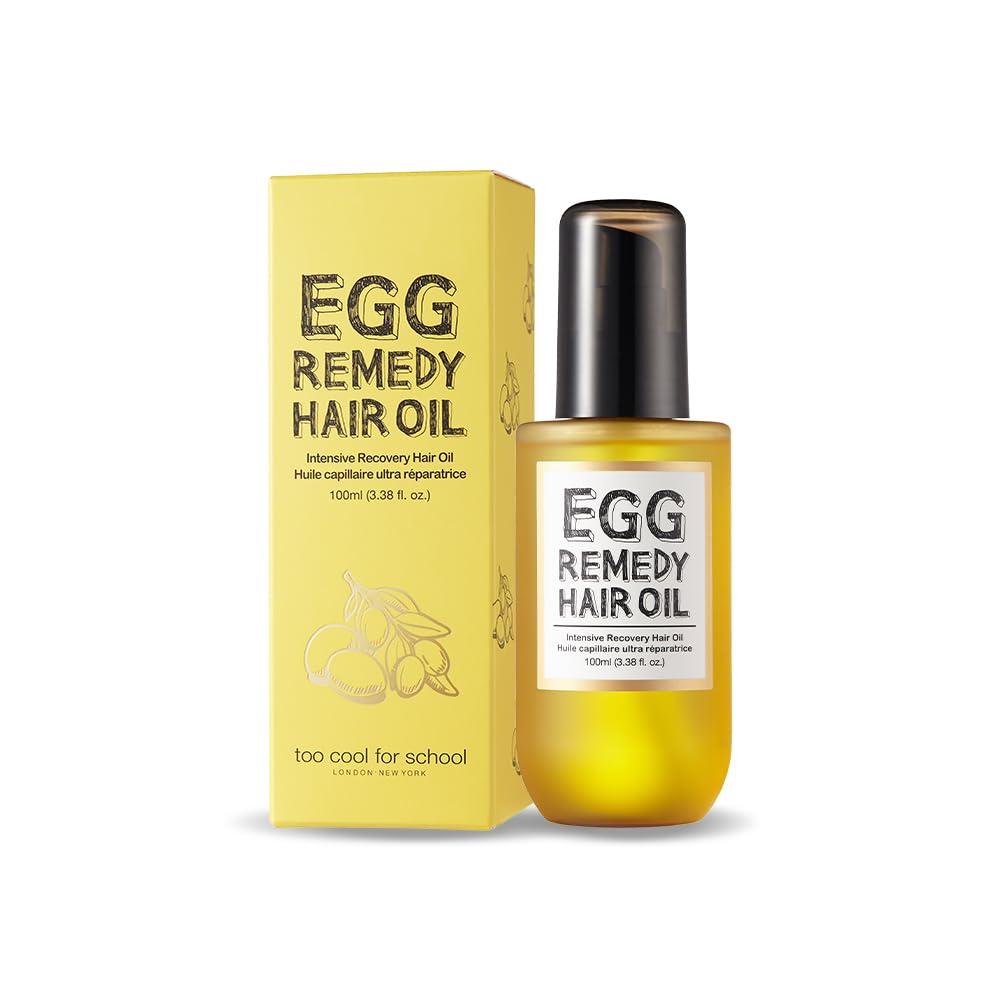
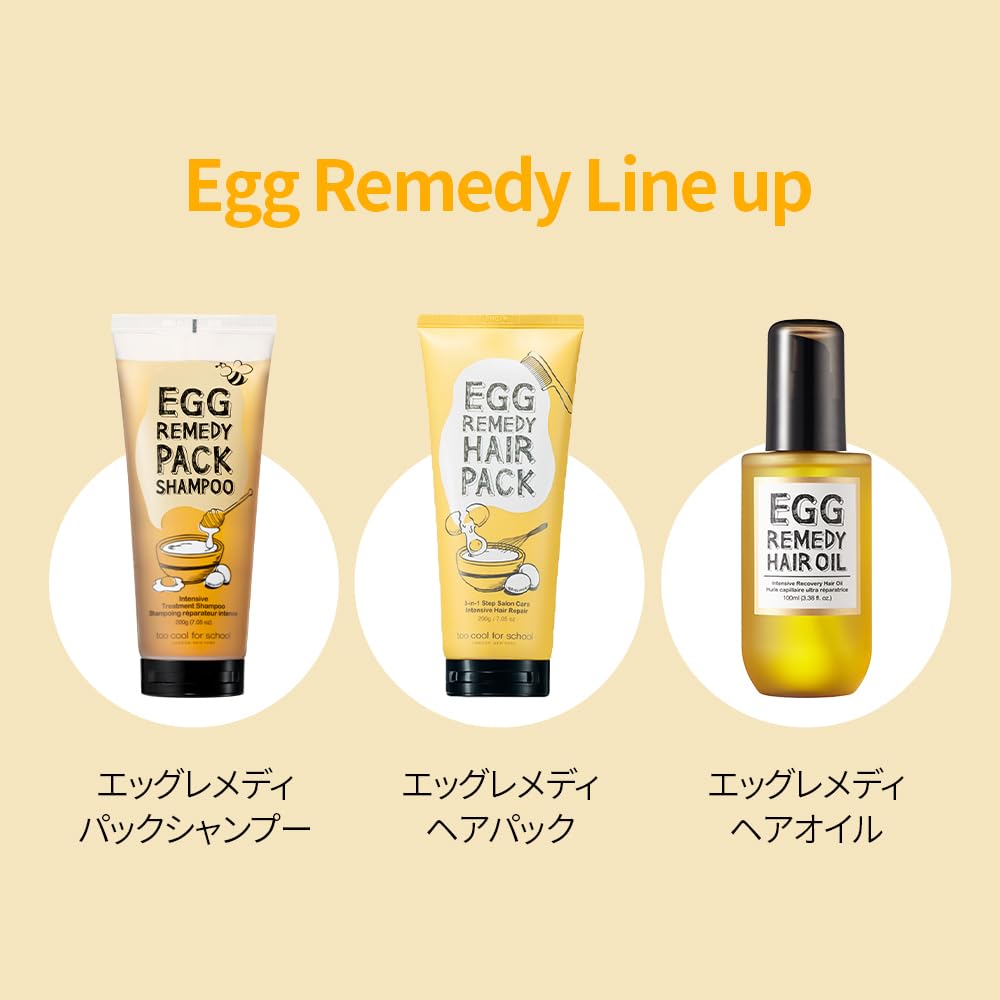
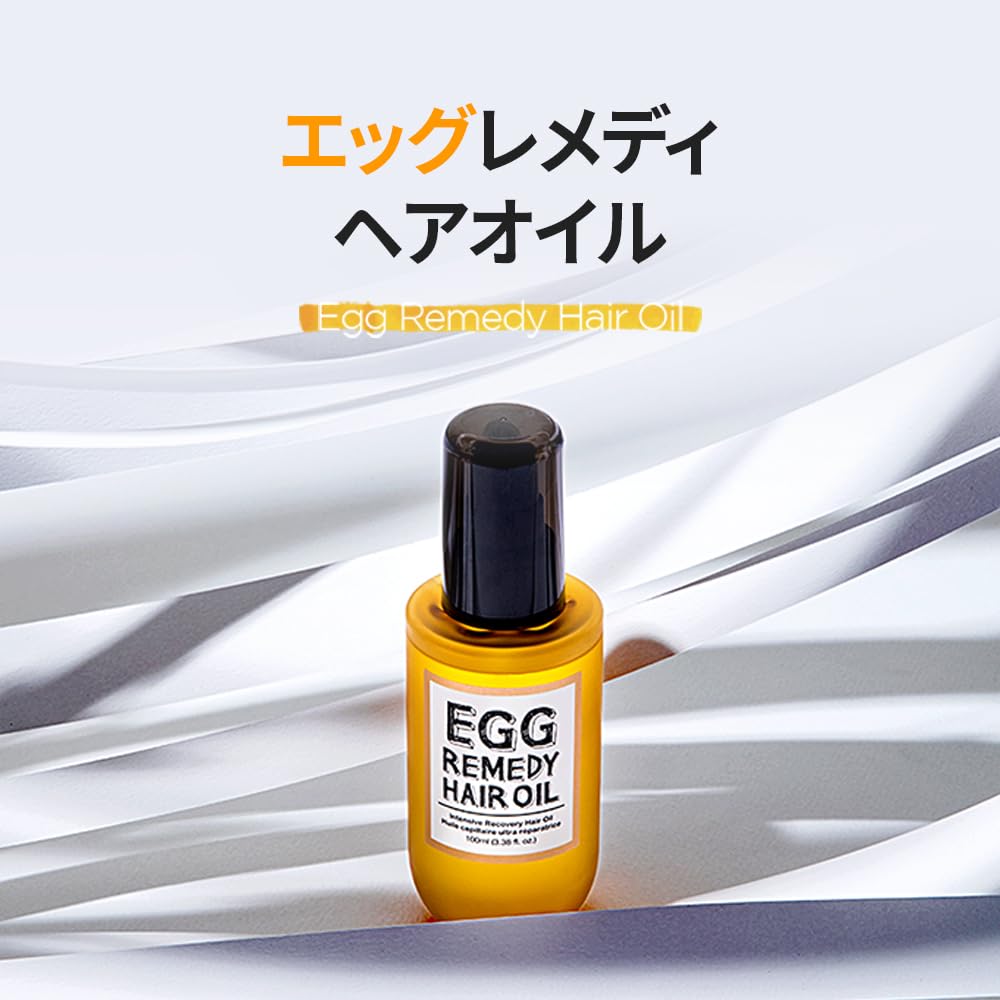
Quick verdict: Too Cool For School Egg Remedy Hair Oil is best understood as a lightweight, silicone-led finishing serum for dry, frizzy, colored, or heat-styled hair. Its most realistic benefits are smoother feel, easier detangling, reduced friction, and added shine. The formula does contain egg-derived ingredients, plant oils, hydrolyzed proteins, and vitamins, but the disclosed egg-oil level is small and the finished product has not been independently shown to regrow hair or permanently repair split ends.
Best for: people who want a fragrant, glossy leave-in treatment for the mid-lengths and ends.
Consider another option if: you avoid fragrance, prefer silicone-free hair care, have a very sensitive scalp, or want a clinically supported treatment for hair loss.
Check current price on Amazon →
What the formula is most likely to do
The official ingredient list begins with cyclopentasiloxane, dimethicone, disiloxane, cyclohexasiloxane, and cyclotetrasiloxane. That tells us the immediate cosmetic performance is likely driven mainly by volatile and film-forming silicones rather than by the egg story on the front of the package.
Silicones can spread into a thin film over the hair shaft, reduce friction, improve slip and combability, smooth the cuticle surface, and increase shine. Those effects can make damaged hair look and feel healthier, but they do not biologically rebuild a split hair fiber. Product buildup is also possible for some users, especially with frequent application or a cleansing routine that does not remove deposited silicones effectively.
How meaningful are the egg oil, proteins, and vitamins?
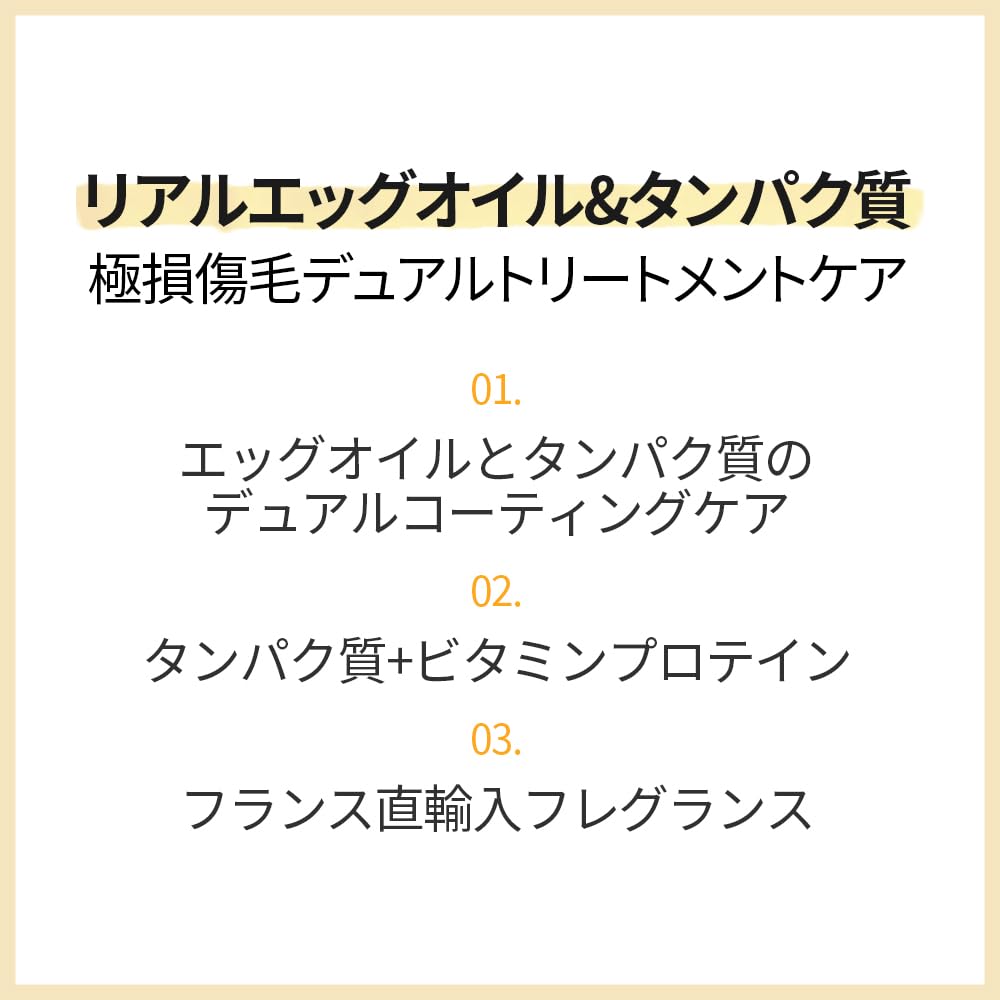
The manufacturer lists egg oil at 100 ppm, which is 0.01%, and egg-yolk and albumen extracts at 0.67 ppm each. The formula also contains argan oil, palm oil, hydrolyzed corn, rice, soy, wheat, and oat proteins, plus several vitamins.
These ingredients can contribute to the overall conditioning story, but their presence does not prove that the finished product strengthens hair in a clinically meaningful or permanent way. Hydrolyzed proteins are widely used as hair-conditioning ingredients, while the effect of any one protein depends on its molecular size, concentration, deposition, and the complete formula. For this product, no independent head-to-head or finished-product clinical trial was identified.
DSULABs interpretation: buy this primarily for silicone-driven softness, shine, and frizz control—not because the word “egg” implies a concentrated protein treatment.
Who is most likely to enjoy it?
- Dry or frizzy hair: the silicone-and-oil base can add slip and a smoother-looking finish.
- Color-treated or heat-styled hair: damaged fibers often benefit cosmetically from reduced friction and surface conditioning.
- Thick or coarse hair: a small amount may help tame the ends without requiring a heavy mask.
- People who enjoy fragrance: this is explicitly a fragranced product, so scent is part of the experience.
View Egg Remedy Hair Oil on Amazon →
Who may want to skip it?
- Fine hair that becomes weighed down easily: start with less than one pump and use only on the ends.
- Silicone-free routines: silicones are the core of this formula, not a minor addition.
- Fragrance-sensitive users: fragrance appears in the published ingredient list.
- People treating hair loss or scalp disease: this is a cosmetic hair-shaft product, not a medication or scalp treatment.
- Anyone with known reactions to topical proteins: hydrolyzed proteins can rarely trigger contact reactions in susceptible people.
How to use it without making hair greasy
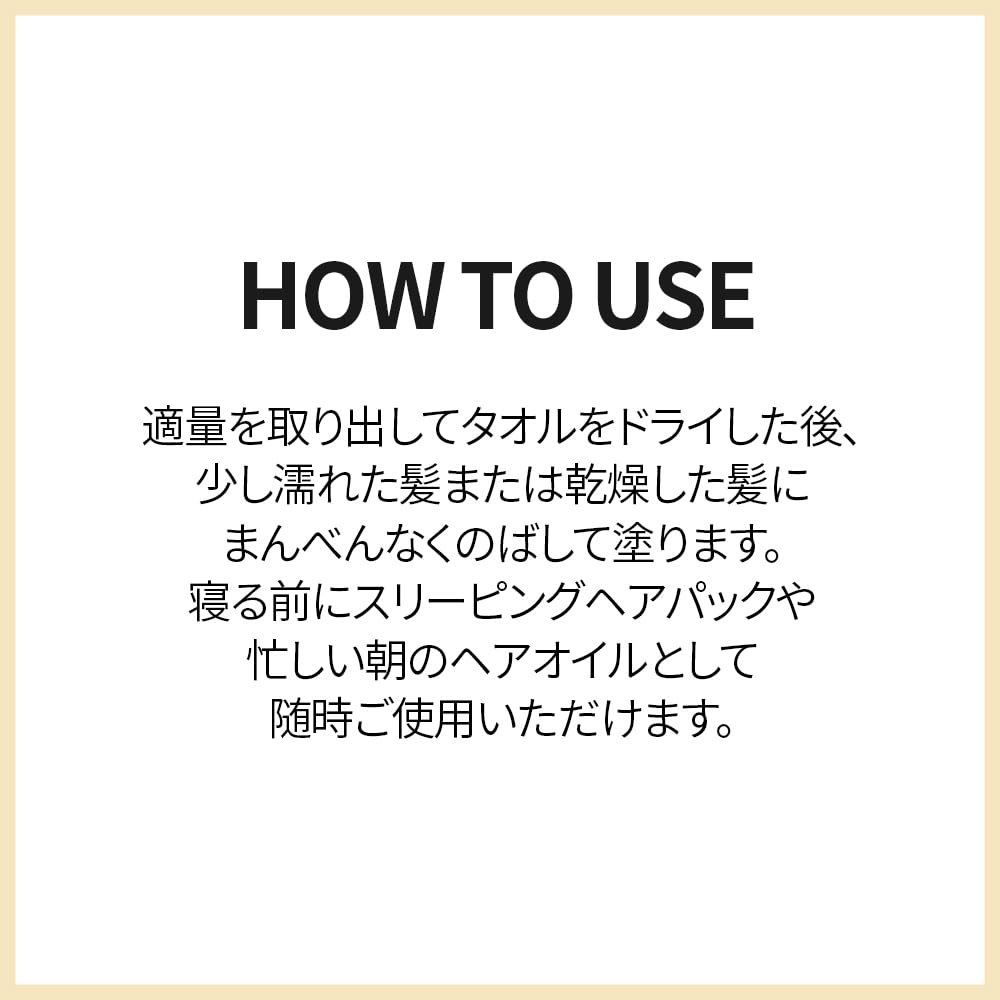
- After washing, towel-dry the hair.
- Begin with one pump; use less for fine or short hair.
- Warm the product between the palms.
- Apply from the mid-lengths to the ends rather than directly to the scalp.
- Add a very small amount to dry ends only if more smoothing is needed.
The brand suggests two to three pumps before drying and an additional amount on dry ends. DSULABs recommends starting lower because hair density, length, porosity, and tolerance for silicone deposition vary substantially.
Frequently asked questions
Does Egg Remedy Hair Oil repair damaged hair?
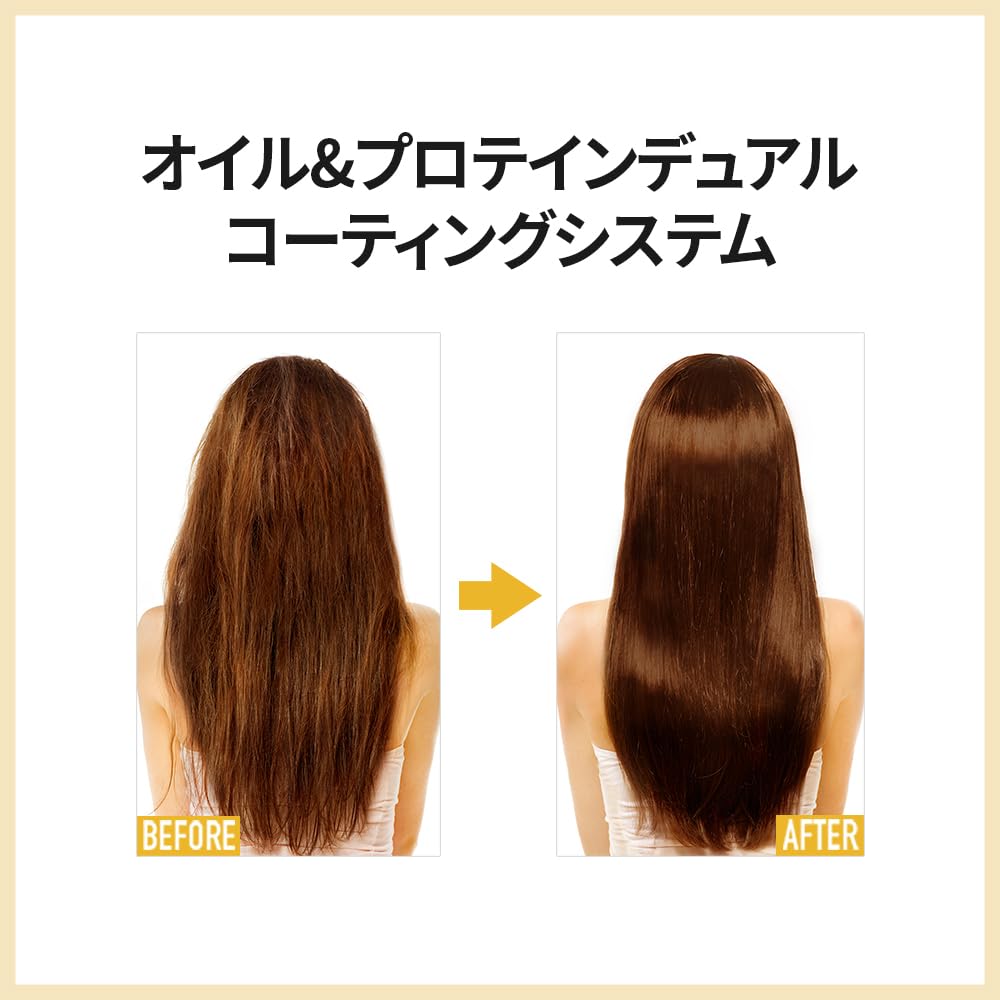
It can temporarily smooth, lubricate, and improve the appearance and manageability of damaged fibers. It cannot permanently fuse a split end or restore a severely damaged hair shaft to its original biological condition.
Is this really an egg-oil treatment?
Egg oil and egg extracts are present, but the disclosed amounts are small. The first ingredients are silicones, which are more likely to explain the immediate slip, shine, and anti-frizz effect.
Can it make hair grow?
No reliable product-specific evidence shows that it stimulates follicles or treats hair loss. Apply it as a cosmetic treatment for the hair shaft, not as a scalp-growth therapy.
Is it suitable for curly hair?
It may help reduce friction and frizz, but it is not silicone-free. People following a silicone-avoiding curl routine may prefer another product. Others can start with a small amount on the ends and judge softness, definition, and buildup over several uses.
Bottom line
Worth considering for the right buyer: this is a practical option if you want a fragrant Korean hair serum that makes dry or processed ends feel smoother and look shinier. Its formula is more scientifically convincing as a silicone conditioner than as an “egg repair” treatment. Keep expectations focused on temporary cosmetic improvement rather than hair growth or permanent repair.
Check current availability on Amazon →
How DSULABs evaluated this product
We reviewed the manufacturer’s current published ingredient list and directions, the live Amazon product listing, and peer-reviewed literature on silicone hair conditioners, cosmetic hair-fiber care, and hydrolyzed proteins. Ingredient presence is not treated as proof of a finished-product clinical outcome.
Reviewed by Dr. Sultan U., PharmD, PhD. DSULABs applies a pharmacy, medicinal-chemistry, and drug-discovery perspective to skincare, hair care, supplements, and wellness products. Dr. Sultan has more than six years of experience in small-molecule therapeutics for neurodegenerative disease and is an inventor on two related patents.
References
- Too Cool For School. Egg Remedy Hair Oil: official product information and ingredient list.
- Gavazzoni Dias MFR. Hair cosmetics: an overview. International Journal of Trichology. 2015.
- Hair cosmetics for the hair loss patient. International Journal of Women's Dermatology. 2021.
- With or without silicones? A comprehensive review of their role in hair care. 2025.
- Burnett C, et al. Safety assessment of hydrolyzed wheat protein and hydrolyzed wheat gluten as used in cosmetics. International Journal of Toxicology. 2018.
Last reviewed: August 16, 2026. Formulas, packaging, sellers, and availability can change; verify the label on the product you receive.
Share