MEDI-PEEL
MEDI-PEEL Bio Sun Stick Pro — Evidence-Based Review
MEDI-PEEL Bio Sun Stick Pro — Evidence-Based Review
Quick decision
Check current price and availability
Affiliate disclosure: As an Amazon Associate, DSULABs earns from qualifying purchases at no extra cost to you. The scientific assessment is based on the formula, available evidence, tolerability, packaging, and value—not commission rate.
View on Amazon →Brand: Medipeel
Details: Sun protection with SPF 50++, Hyaluronic acid, peptides and collagen
EAN: 8809941820393
Package Dimensions: 3.0 x 2.4 x 1.0 inches
Pair sunscreen with an antioxidant serum
Sunscreen is the essential UV-protection step; a vitamin C serum can complement it but cannot replace it. Choose vitamin C by active form, concentration, tolerability, packaging and freshness.
Compare the best vitamin C serums: PharmD/PhD picks →
MEDI-PEEL Bio Sun Stick Pro: the evidence-based verdict
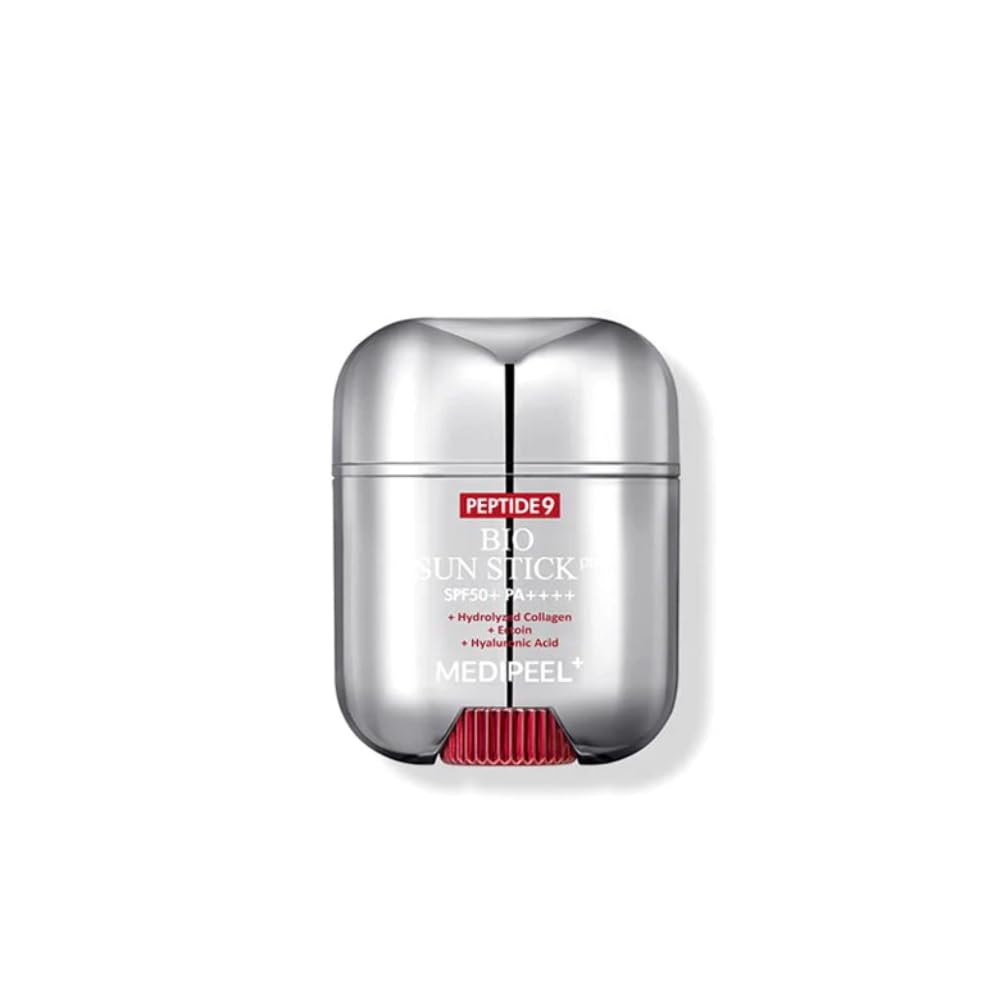
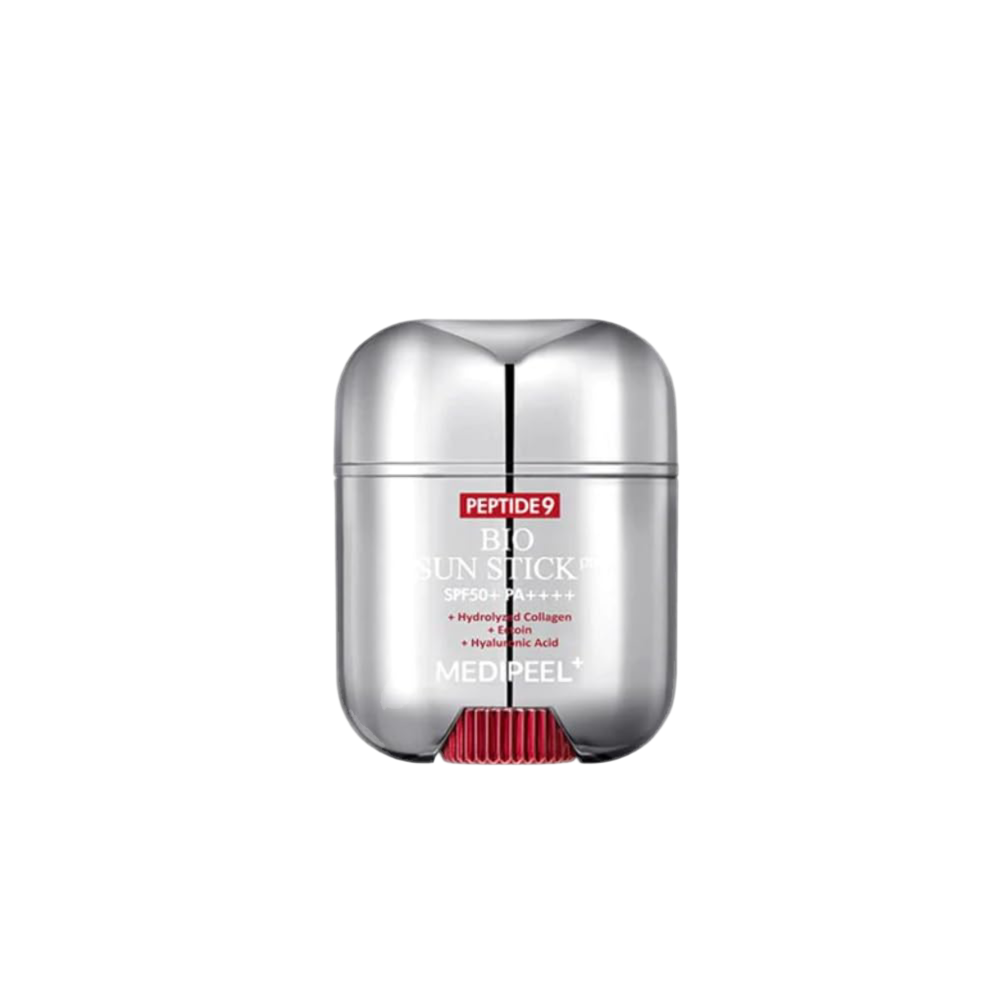
Quick verdict: This 19 g Korean sun stick is most useful as a portable, low-mess reapplication option. Its transparent balm format is convenient, but adequate coverage requires multiple careful passes—not one quick swipe.
Best for: adults who want a compact stick for exposed areas or daytime touch-ups.
Think twice if: you need a clearly labeled U.S. OTC sunscreen for primary protection, dislike scented formulas, or are unlikely to apply several passes evenly.
DSULABs rating: Convenient reapplication format; package labeling and application technique matter more than the peptide marketing.
Affiliate disclosure: As an Amazon Associate, DSULABs earns from qualifying purchases. This does not change your price or influence our scientific assessment.
Check Amazon price and availability →
What stands out
- Portable 19 g stick: easy to keep in a bag and less likely to leak than a liquid sunscreen.
- Transparent balm format: designed to avoid the obvious white residue associated with many mineral products.
- Overseas SPF50+ PA++++ positioning: the product is marketed for both UVB and UVA protection.
- Skincare extras: the published formula includes niacinamide, ectoin, hyaluronic-acid derivatives, ubiquinone, collagen derivatives, and peptides.
The most important issue: apply enough
The SPF printed on any sunscreen is tied to a standardized application amount. Research shows that protection falls when people apply less product. Stick formats make the dose especially easy to underestimate because one swipe can look complete while leaving a thin or uneven film.
The American Academy of Dermatology advises making four passes back and forth over each area when using a sunscreen stick, then ensuring coverage is even. Pay special attention to the hairline, temples, sides of the face, ears, and around the nose.
A note for U.S. buyers
In the United States, products marketed as sunscreens are regulated as over-the-counter drugs. FDA labeling uses the phrase “Broad Spectrum SPF”, identifies sunscreen active ingredients, and includes a Drug Facts panel and directions. Korean PA++++ labeling communicates UVA performance under a different system.
Before relying on any imported sunscreen as your sole protection, inspect the exact package you receive. Confirm that its labeling, active ingredients, directions, and water-resistance claims meet your needs and the requirements of your market. Online listings and similarly named versions can differ.
How to use a sunscreen stick correctly
- Apply generously to clean, dry skin before sun exposure, following the package directions.
- Make four passes back and forth over every area you intend to protect.
- Blend or pat as needed to eliminate gaps and create an even film.
- Reapply according to the label, and after swimming, sweating, or towel drying.
- Combine sunscreen with shade, protective clothing, and sunglasses.
A stick can be especially practical for reapplying to the nose, cheekbones, forehead, ears, and other high-exposure areas. For a first full-face morning layer, many people find a measured lotion or cream easier to distribute evenly.
Formula considerations
The published ingredient list includes several organic UV filters plus fragrance. Niacinamide, ectoin, humectants, and emollients may improve the cosmetic feel, but they do not replace the need for an adequate, uniform sunscreen film. Peptides are present at very small listed amounts and should be viewed as supporting cosmetic ingredients—not the primary reason to choose this product.
Patch test if your skin is reactive or fragrance-sensitive. Avoid direct eye contact, and stop using the product if a persistent rash, swelling, or burning develops.
Bottom line: is it worth buying?
Potentially, as a convenience product: it makes sense for someone who values portability and is willing to use several careful passes. The buying decision should center on authentic packaging, appropriate labeling, finish, and real-world application—not anti-wrinkle claims.
View MEDI-PEEL Bio Sun Stick Pro on Amazon →
Frequently asked questions
Can one swipe provide SPF50 protection?
Do not assume so. Labeled SPF depends on applying an adequate amount evenly. Dermatologists recommend four back-and-forth passes over each area when using a sunscreen stick.
Can it be applied over makeup?
A stick can be convenient for reapplication, but dragging it across makeup may move both makeup and the existing sunscreen film. Use gentle, overlapping passes and check that no areas were skipped.
Does it leave a white cast?
The balm is marketed as transparent and does not rely only on opaque mineral filters. Finish can still vary with skin tone, skincare underneath, and the number of layers applied.
Is it water resistant?
Use only the water-resistance duration printed on the exact package. Do not infer water resistance from a reseller description. Reapply after swimming, sweating, or towel drying.
Is it suitable for children?
Follow the age directions and warnings on the package sold in your market. Ask a pediatrician about sunscreen for an infant or a child with sensitive skin, allergies, or an active skin condition.
Continue your skincare research
Browse the DSULABs evidence-based product reviews or read our guide to choosing a vitamin C serum.
References
Share